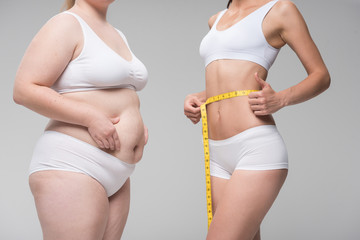
Strategies for a Healthier You
Strategies for a Healthier You
Fat loss is a goal many people pursue for better health, appearance, or improved physical performance. However, there’s more to effective fat loss than simply cutting calories or following the latest fad diet. Sustainable fat loss is rooted in understanding how your body works, making consistent lifestyle changes, and adopting a long-term perspective. Below, we explore proven strategies for healthy fat loss that you can maintain over time.
The Basics of Fat Loss: Caloric Deficit and Energy Balance
At the core of fat loss is the concept of energy balance. The body stores excess calories as fat, and to lose fat, you need to consume fewer calories than your body uses, creating what’s called a caloric deficit. This deficit forces the body to draw on its fat stores to make up for the energy shortfall, leading to fat loss.
While creating a caloric deficit is necessary, it’s important to avoid extreme measures such as very low-calorie diets. Drastically cutting calories can slow down your metabolism, cause muscle loss, and leave you feeling fatigued. The key is to aim for a moderate deficit—typically, reducing daily calorie intake by 300-500 calories from your maintenance level allows for steady, sustainable fat loss without negatively affecting your health.
Healthy Eating for Fat Loss
Focusing on nutrient-dense foods is essential for fat loss. Rather than obsessing over calorie counting, choose whole, unprocessed foods that are naturally lower in calories but high in essential nutrients like vitamins, minerals, and fiber. This includes vegetables, fruits, lean proteins (such as chicken, turkey, fish, eggs, and tofu), and whole grains (like brown rice, quinoa, and oats).
A diet high in protein is particularly beneficial for fat loss. Protein helps maintain muscle mass, which is critical because muscle burns more calories than fat, even at rest. Eating protein-rich foods also helps you feel fuller for longer, reducing cravings and overeating. Aim to include a source of protein with every meal.
In addition to eating nutrient-dense foods, portion control plays a key role. Being mindful of portion sizes helps prevent overeating and ensures you’re in a caloric deficit without feeling deprived.
The Role of Exercise in Fat Loss
Exercise is a powerful tool for burning calories and preserving muscle mass during fat loss. Both cardiovascular exercise (like running, cycling, and swimming) and strength training (such as weightlifting, bodyweight exercises, and resistance bands) are essential for an effective fat-loss plan.
Strength training, in particular, is crucial because it helps preserve and build lean muscle while you’re losing fat. Maintaining muscle mass is important because it supports your metabolism. Muscle tissue burns more calories than fat, so having more muscle can help you maintain a caloric deficit more easily.
Incorporating strength training 2-3 times per week, combined with moderate-intensity cardio exercises, can maximize fat loss and improve overall body composition.
The Importance of Sleep and Stress Management
Fat loss isn’t just about diet and exercise—sleep and stress management are equally important. Poor sleep (less than 7-8 hours per night) can hinder your fat-loss efforts by disrupting hunger-regulating hormones, leading to increased appetite and cravings for high-calorie foods.
Similarly, chronic stress can elevate cortisol levels, which encourages fat storage, especially around the abdominal area. Practicing stress-relief techniques like meditation, deep breathing, or yoga can help regulate cortisol and support your fat-loss goals.
Patience and Consistency
Sustainable fat loss takes time and consistency. Aim to lose 0.5 to 1 kilogram per week—this gradual approach helps protect muscle mass, prevent metabolic slowdown, and make the process more manageable mentally. Avoid crash diets or quick fixes, as they often lead to regaining lost weight.
By combining a balanced diet, regular exercise, quality sleep, and stress management, you can achieve lasting fat loss and better overall health. Remember, fat loss is a long-term commitment, and the key is adopting habits that you can maintain for life.
Subscribe to:
Posts (Atom)